Gold Sneakers: What a Saudi Woman Taught Me About Agency by Helen Collins Sitler
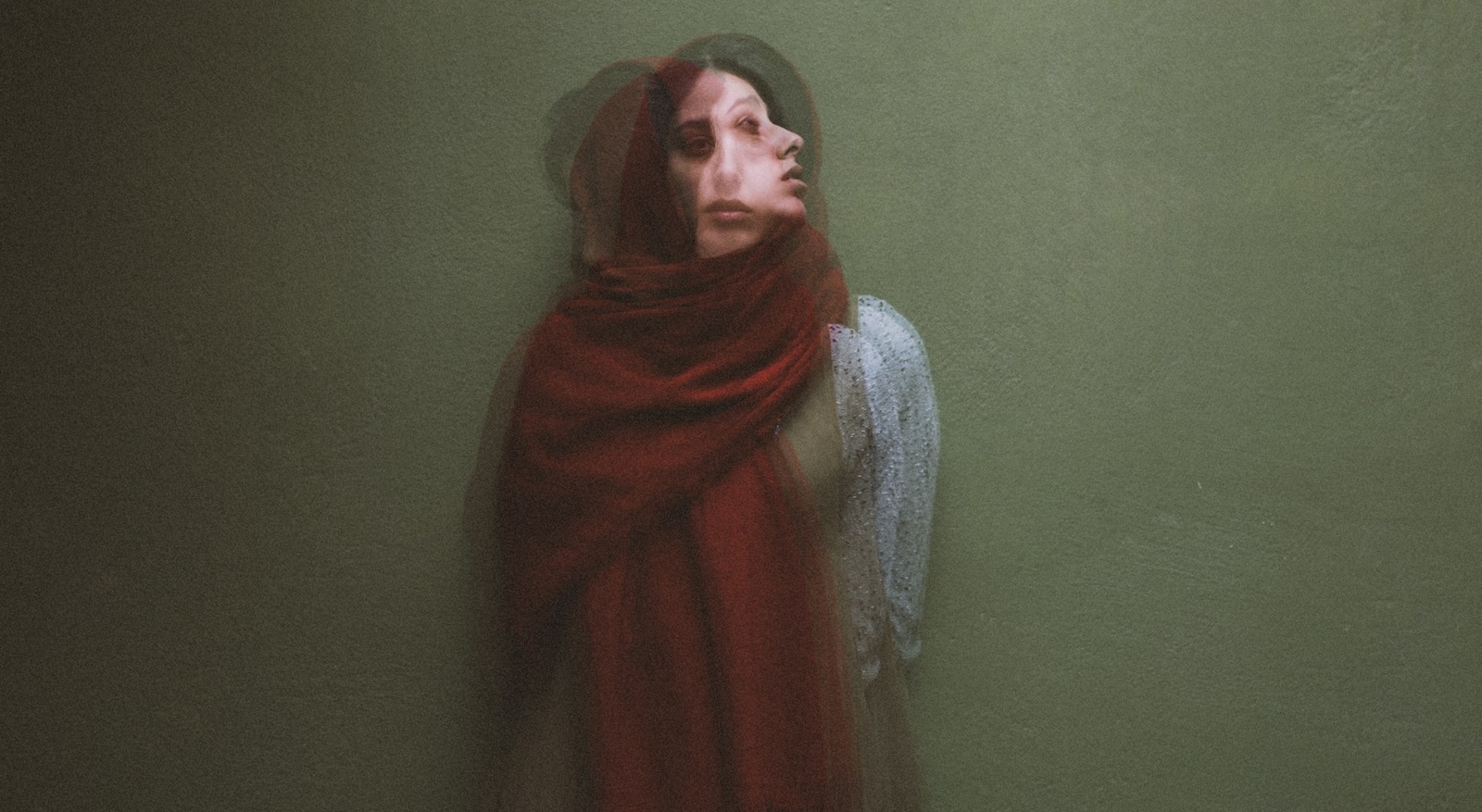
Photo by Foad Roshan via Unsplash
Gold sneakers peeked out from under Safiya’s plain abaya. We both grinned when she noticed me noticing, and she lifted her long hem to show them off. Maybe I shouldn’t have been so surprised later that spring when she hurried into my university office and launched into a rant about her husband.
“I should divorce him!” Safiya harumphed, settling into a chair. Her vehemence belied her Saudi Arabian strictures: the abaya she wore; the hijab covering her hair; the cover she pulled over her mouth each week as soon as the first male entered our classroom. That covering shielded her speech even when she taught her practice lesson.
“Can you divorce him?” I responded, surprised.
We sat at a table in my office. Light from a lamp cast a warm glow, but her anger sharpened the atmosphere. Exhausted in the nexus of a mother’s obligations and a graduate student’s course load, she nearly snarled, “Yes. I can. It’s my government stipend we’re living on. His English isn’t good enough yet to enroll in university.”
Safiya and the other Saudi woman in my class were ardent feminists. Was it the other, more experienced student who convinced Safiya to choose a feminist text to team teach their practice lesson? Safiya herself? Could they have devised this lesson in their home country? Was their choice resistance or outright defiance? I still wonder how the three Saudi men in the room received that lesson.
Safiya faced so many firsts that semester. First time to study abroad. First time to function completely in a second language. First semester in a graduate class. First experience in a co-ed classroom. First time to teach a lesson. Above all, her first time to teach adult males. Other international students—from Japan, Germany, Taiwan, Serbia—encountered obstacles. But Safiya’s hurdles were the highest. She was so brave.
Late the following fall, she emailed. She was doing well in her classes, she said. She was not divorced. But she had set aside the mouth covering. “I don’t wear it anymore,” she wrote. I cheered a silent hurrah that her voice, that strong voice, could emerge without a barrier.
Life took its course. We fell out of touch. A year after our class, after I had quietly retired, Safiya learned I was no longer on campus. A package arrived at my home. She had sent me a framed, artistic rendering of my name in Arabic lettering—five concentric circles, layered one atop another in ever-lightening shades of magenta.
Now, a decade later, when I look at the wheel of unfamiliar letters that hangs in my den, I think of her, as the US is facing its own startling firsts. I have so many questions for her: How did you manage abrupt, disruptive changes? How did you gather the courage to resist? How did you manage the fear?
Many Americans now feel as if we’ve been thrown into a dangerous foreign land. What we assumed to be constants no longer hold true. We believed that our employment is legally safeguarded. That media cannot be silenced and will report the truth. That a woman asking reasonable questions at a town hall cannot be dragged out by a storm-trooper-like squad. That individuals legally residing in the country would never be disappeared. We believed that it is America’s duty to offer aid to nations in crisis and that our neighbors in North America are allies, not enemies.
Safiya must have felt a disorientation similar to what I now feel, plunged into an unavoidable firehose of change.
I want to have the courage that she had facing so many unknowns. I’m struggling to regain agency and not simply stand in place. I’m searching for my own gold sneakers. My efforts seem small compared to Safiya’s. Not courageous. But something. A start.
Recently I signed petitions so that candidates who care about student learning will be on the primary ballot for school board. Over the next weeks, I will attend events with them and, when I grocery shop, I’ll wear a T-shirt with their logo. I plan to extend efforts beyond my town by attending meetings of my county commissioners to pay attention to whether last year’s huge tax increase is being carefully spent. I can sign up to speak if it’s not. And I am borrowing Safiya’s outspokenness when I call my Congressman and Senators and, later this week, attend a rally at the county courthouse.
I wish I were still in touch with Safiya to celebrate our role reversal. She has become the teacher. My gold sneakers seem less brilliant than hers, but she has modeled for me how much a strong voice matters. Because of her, I am no longer silent.
 Helen Collins Sitler retired from university teaching nearly a decade ago. Since then, her creative nonfiction has been nominated for a Pushcart Prize and has been published in Beautiful Things, Hippocampus, The Sunlight Press, Post Road, and in narrative medicine journals.