
Weight by Ann Cwiklinski
She is eight months pregnant with her third child, and huge. Her heaviness feels absurd at this point—Mother Nature taking a joke way too far. When she steps into the mid-day heat, over 90 degrees on the city sidewalk, she instantly regrets that big serving of food-court macaroni for lunch; she’s almost too sluggish to move, let alone plod the five blocks back to her office. She sips from her water bottle and swears she can feel the liquid seeping directly into her swollen ankles, as if gravity, having mistaken her for a minor planet, is pulling a mini tide through her body.
The traffic light changes against her as she crosses the busy street to the shady side, but the drivers allow her a few seconds of grace, either out of pity for the lumbering, pregnant spectacle she has become, or simple reluctance to damage their vehicles. Once safe on the other sidewalk, she slows her pace, barely lifting her feet from the ground to avoid jarring collisions of baby head into pelvic bone.
Her boss won’t fault her for being late back from lunch; she’s doing him a huge favor by staying on this month to finish up edits on three projects and train her replacement. But at the first hint of a contraction, as she’s warned him repeatedly, she’ll be out the door, leaving for good to focus on her newborn and two toddlers.
“And if I’m in actual labor, there won’t be anything ‘quiet’ about my quitting,” she teased him.
She jokes to disguise her grief at relinquishing her job. If only she could keep it—along with her work friends and financial independence and 8 precious hours a day as an alleged individual, rather than just someone’s mother. And then there’s the shame she feels for abandoning her hard-won career, particularly in the face of recently rekindled scorn for women’s rights. She’s fully aware that she stands on the shoulders of suffragettes, but sometimes—today—she feels a reproving stack of them weighing on hers. She adjusts her bra strap, suddenly mindful of pressure cutting into her trapezius muscle.
But she has no doubt that three babies is her breaking point, the point where the cost of daycare outstrips her salary, and her sanity, should she continue to work, stretches beyond repair. Besides, the burden of guilt she carries for dropping sleepy, whimpering children at daycare every morning hasn’t relented one bit over the past 3 years. It’s time to go, for who knows how long.
She pauses one block down the sidewalk to catch her breath and peer into the front window of her favorite art gallery. Today it displays beautiful landscapes—dark trees casting cool shadows, clouds scudding over farmland, strong breezes whipping ocean waves to foam. She lingers to choose which refreshing scene she would most like to escape into.
Funny to think that in a few short weeks, she’ll be just as wistful about this hot city sidewalk. She loves hanging out downtown—window shopping, people watching, lunching with friends. Realistically, it could be a year—more—before she visits the city after the baby is born. No way she’ll be pushing a triple stroller onto the subway anytime soon, or dragging fussy toddlers through her favorite galleries and boutiques. It’s just as well: without her income to supplement her husband’s, she’ll be too broke for shops and cafes, anyway.
Which is why she’s suddenly tempted to splurge a little now, to use her next-to-last paycheck for something special—a souvenir to commemorate 15 years of working downtown. She can’t afford an original oil painting, but maybe she could swing one of the nicely framed prints along the walls?
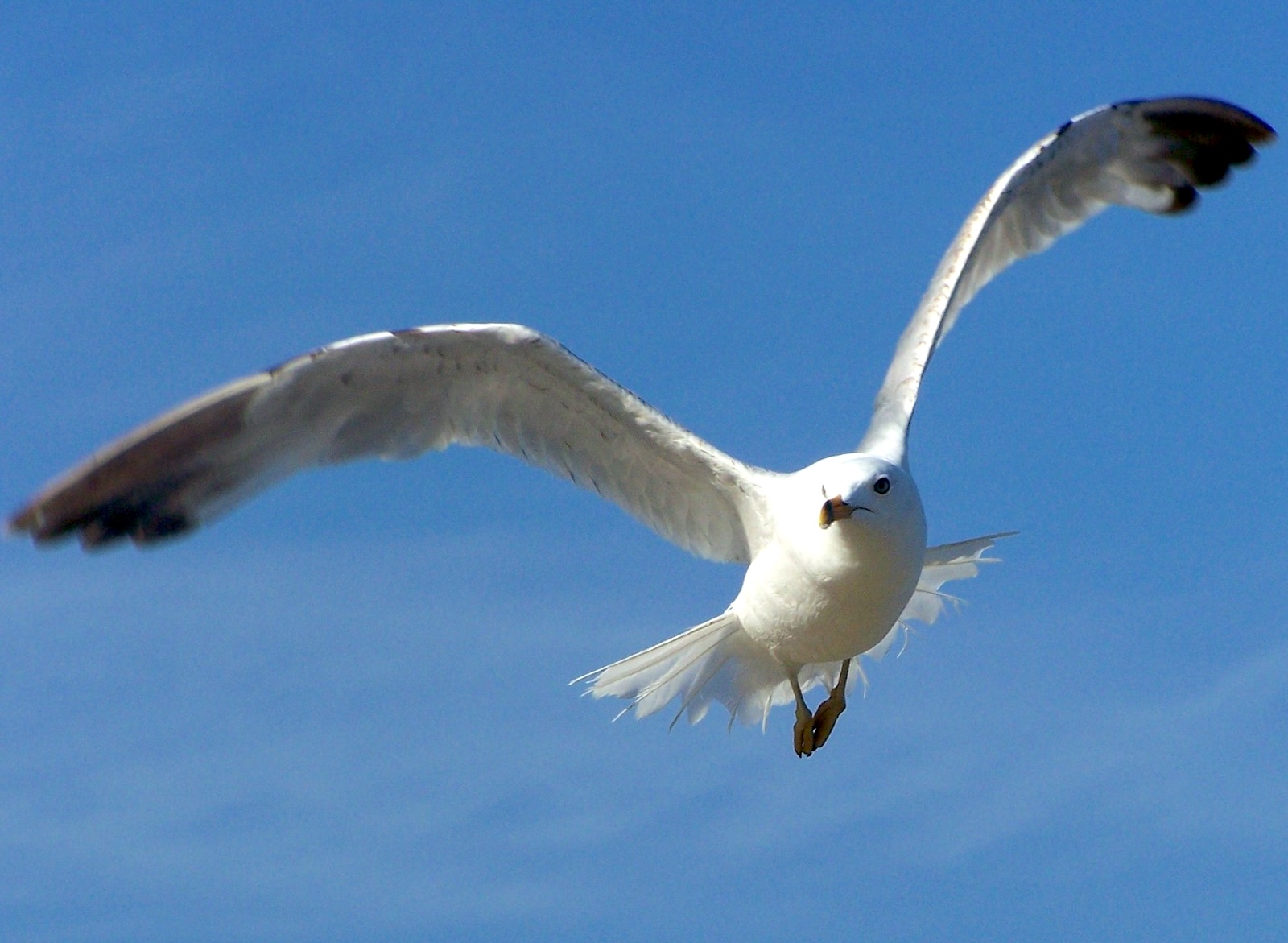
Because she is so hot, and ridiculously heavy, a semi-abstract seascape immediately attracts her: a flock of white seagulls soaring above the ocean. A few fierce, impasto brushstrokes convey sharp wings fighting strong headwinds over a gray sea. Or perhaps the gulls are flying into a gray fog? There’s no land at the bottom of the picture to orient her. In fact, a curved blue strip at the top might suggest the birds have risen well above the clouds and are headed for the far edge of the Earth.
“Nicholas de Stael, 1955,” the label reads. She pulls out her phone to Google him. Hmm, his earlier work is so bright and appealing; how has she not heard of him before? She scrolls down the timeline to 1955. There they are, his lovely seagulls. And this:
Nicholas de Stael suffered from exhaustion, insomnia and depression. In the wake of a disappointing meeting with disparaging art critic Douglas Cooper on March 16, 1955 he … leapt to his death from his eleventh story studio terrace, in Antibes. (Wikipedia)
Yikes. This was his last painting before his suicide. Perhaps not the ideal souvenir for someone about to give birth? She’s always been superstitious while pregnant, attempting to temper bad luck and sad thoughts along with caffeine and alcohol.
She enters the shop to browse for a more suitable print but keeps returning to the seagulls up front. Dammit, she wants those seagulls. The brushstrokes have so much energy, and the rising birds so much… uplift.
Uplift: that was probably what poor Nicholas was looking for as he painted it. And his leap shortly thereafter? Well, every leap is equal parts flying and falling, after all; the painting captures the part of him that flew.
Yes, she needs this print. It will help, after she’s taken her far less drastic leap and finds herself tightly tethered by the constant demands of three small children, burdened by piles of dirty laundry and dirty dishes, or sinking into despair at fresh-hell newspaper headlines, to imagine herself as one of these seagulls fighting their way upward.
That afternoon after work she stops to buy the print, a blue-gray mat, and the perfect silver frame, which the salesman wraps together in brown paper.
He opens the door wide for her as she fumbles with her bulky purchase on the way out of the shop.
“You got it? It’s heavy.”
“Yup, thanks, I got it.” She bites her tongue against the urge to inform him that she could teach him a thing or two about “heavy.”
As she steps onto the sidewalk, the salesman yanks the door closed behind her, hoarding his chilled shop air. Intense heat, rumored to rise, palpably presses down on her as she turns toward the subway. Her distended belly forces her package into an awkward tangent as she lugs it down the street, so she rests repeatedly—leaning the package gingerly against a building, pushing sweaty hair from her face, gulping water, readjusting her purse strap across her body, heaving the package back up—over the three blocks to her station. It takes all her fading strength, and the sharp front corners of her package, to fight her way through the crowds at the platform.
But when she finally settles, exhausted, onto a subway seat, balances the package across her lap, and anticipates unwrapping her gulls at home, she feels lighter than she has for months, as if some unseen force has nudged her center of gravity a few inches upward.
 Ann Cwiklinski started writing short stories while raising 4 children in rural Pennsylvania. Her stories have won first prize at Baltimore Review and Central Pa Magazine and local arts events, and appeared in many journals and anthologies, most recently in StillPoint Arts Quarterly, History Through Fiction, 3 Cents Magazine, and Oyez Review.